01
Meter by building and use
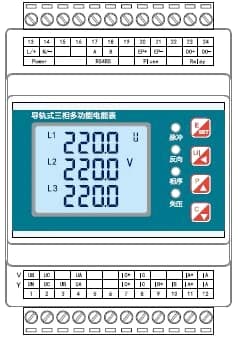
Map HVAC, lighting, sockets and charging circuits; review existing meters and missing points.
Solutions / Building energy and operational carbon
A total bill hides individual buildings and areas. Start with submetering and traceable operating records.
Map HVAC, lighting, sockets and charging circuits; review existing meters and missing points.
Compare periods, zones and floor area; review overnight baseload, peaks and persistent abnormal use.

Retain electricity sources, boundaries and regional, year-specific factors; configure reports and exports for the project.
Adjust energy savings for weather, runtime and load. Use local tariffs for costs and region-, year- and boundary-specific factors for operational emissions.
IPMVP ↗Data points, views, reports and third-party interfaces are configured per project.

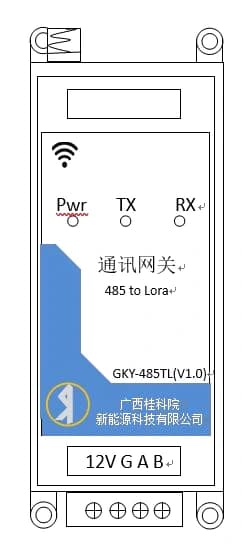
Connect field equipment to your platform.
Explore products
Lighting, cooling and blinds, coordinated from one place.
Explore products
Make indoor conditions visible.
Explore products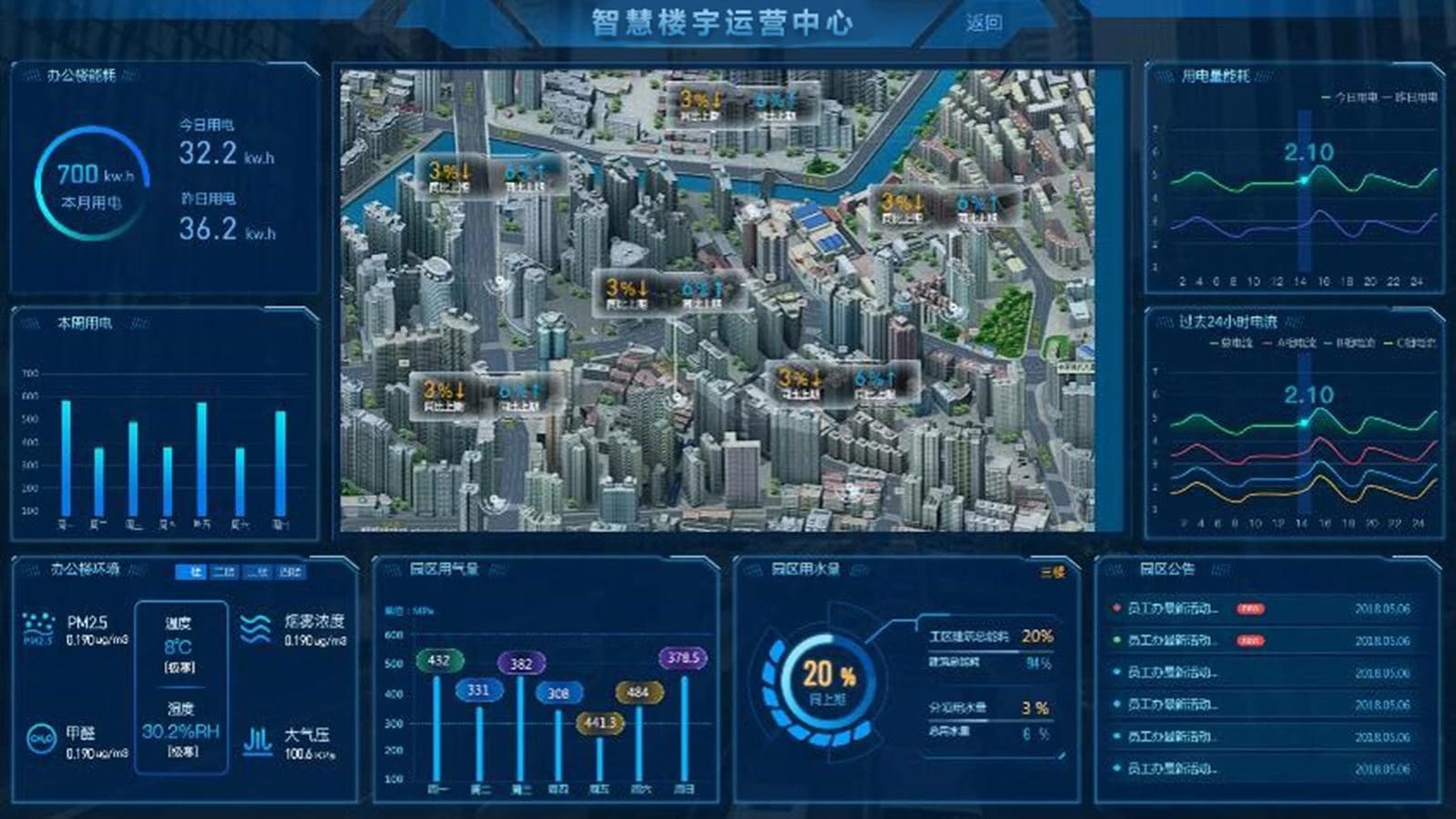
Manage charging and energy equipment together.
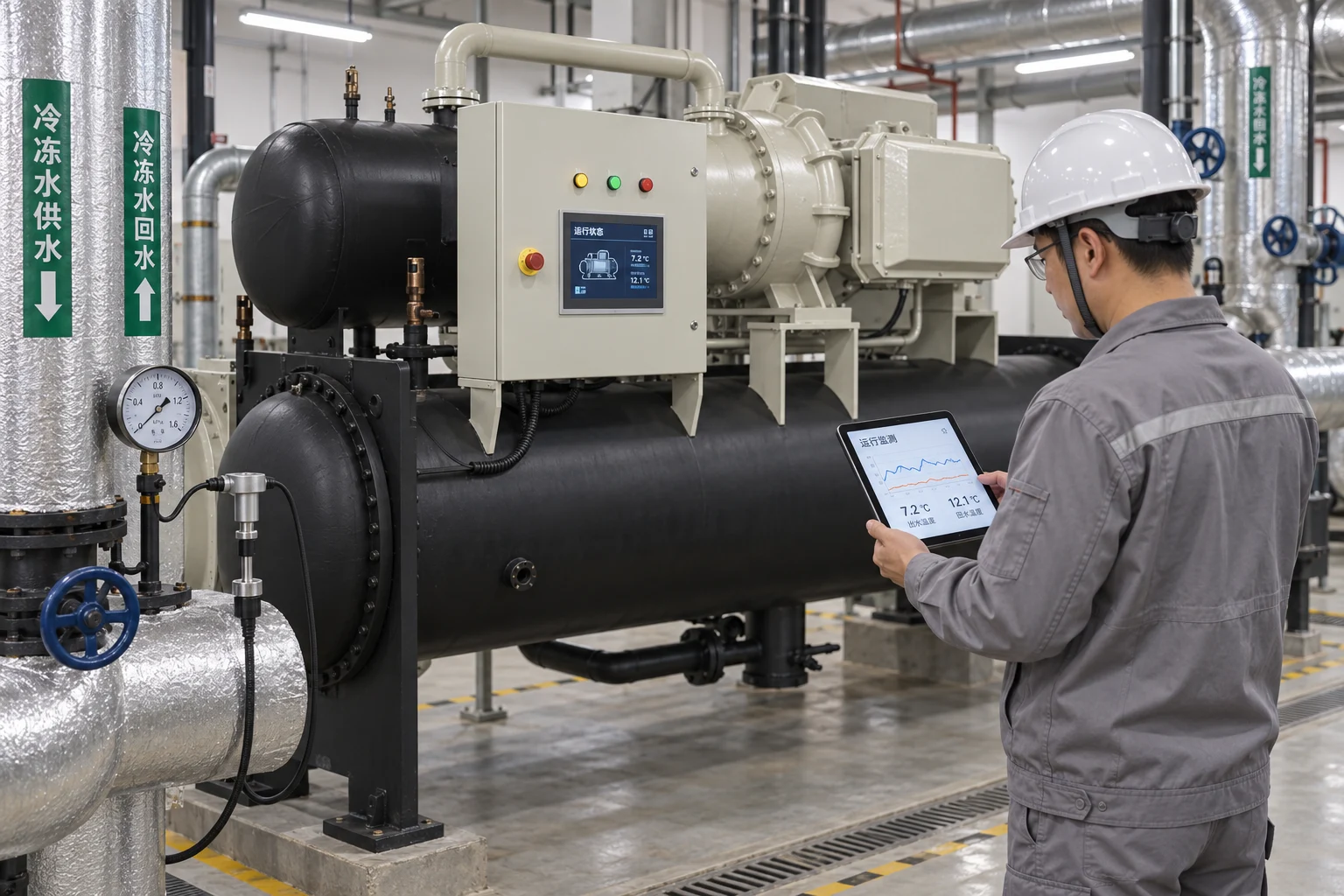
Explore productsShare equipment, point lists and available interfaces. Review metering, the chiller control circuit and BMS integration separately, subject to protocols and authorization.
The solution organizes operational energy and emissions data. Certification, trading, offsets and whole-life building assessments require the relevant frameworks and specialists.
Confirm against the site baseline and pilot results. Agree on boundaries, weather and load adjustments, comfort targets and anomalous-data rules in advance.

Maintain comfort. Match cooling to demand.
Explore the solution →
Understand where your energy goes.
Explore the solution →Comfort when occupied. Less waste when empty.
Explore the solution →
Lighting, cooling and blinds, coordinated from one place.
Explore the solution →
Plan generation and consumption together.
Explore the solution →