
01
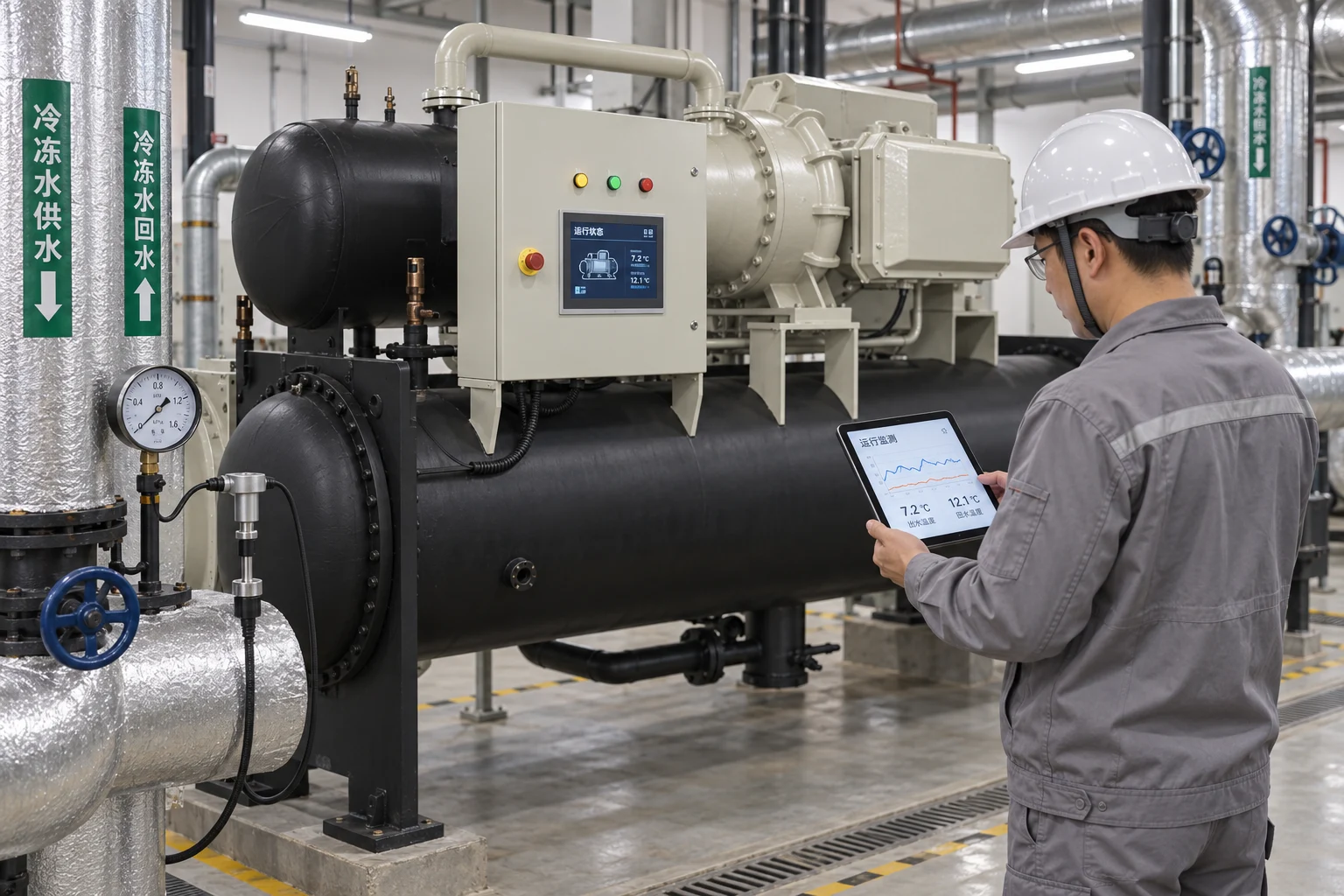
Review supply and site conditions
Review transformer capacity, parking, roof structure and fire requirements before defining installation.
Solutions / Solar, charging and site-energy coordination
Adding PV and charging but concerned about capacity and peaks? Align loads, connections and operating rules first.
Review transformer capacity, parking, roof structure and fire requirements before defining installation.

Use local tariffs and available interfaces to configure charging times, power allocation and on-site solar-use monitoring.
Assess storage and demand response separately for local eligibility, economics and safety; expand in stages.
Adjust energy savings for weather, runtime and load. Use local tariffs for costs and region-, year- and boundary-specific factors for operational emissions.
IPMVP ↗Data points, views, reports and third-party interfaces are configured per project.
Put available space to work for energy.
Explore productsAdd charging to your parking facilities.
Explore products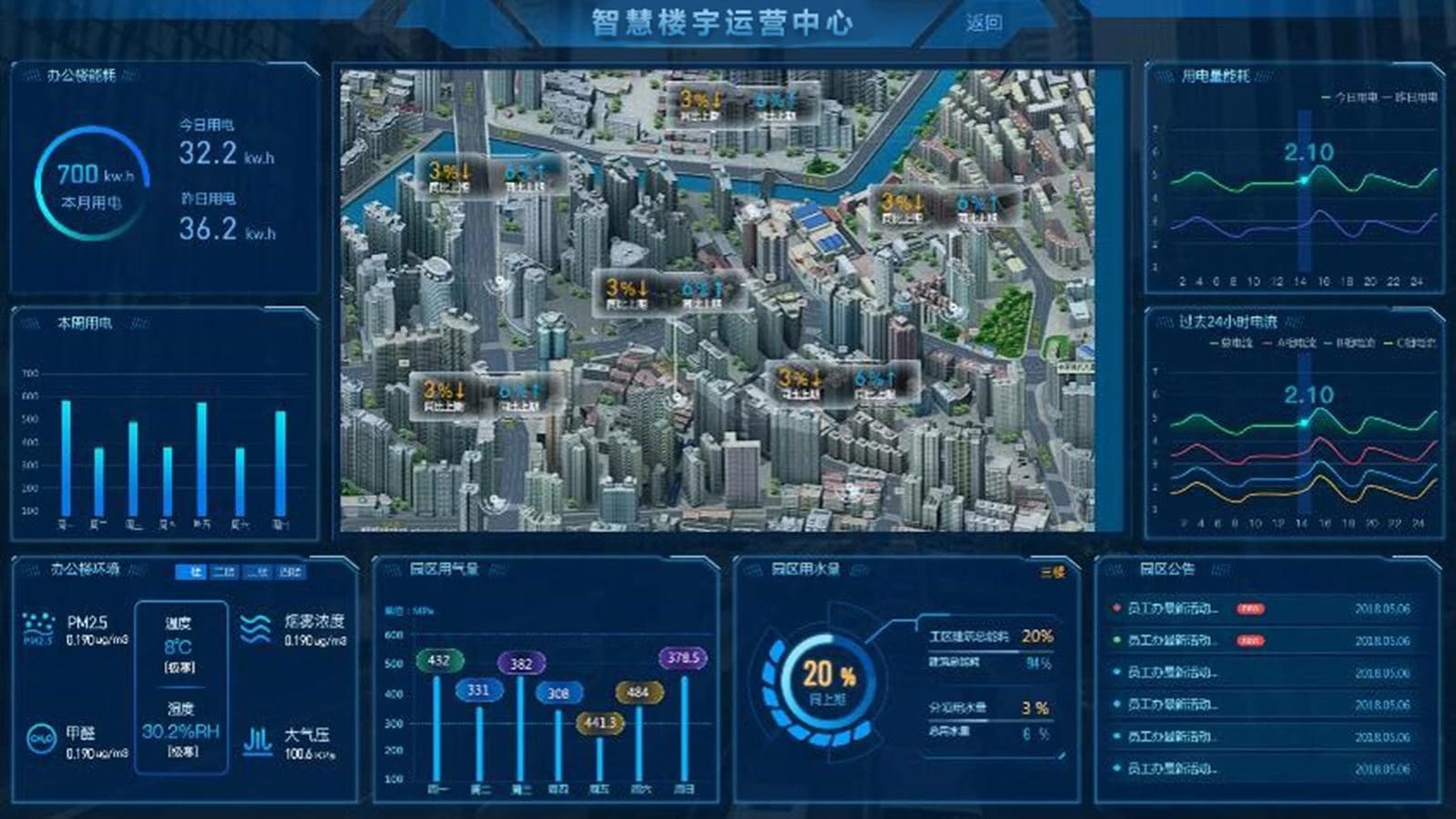
Manage charging and energy equipment together.
Explore products
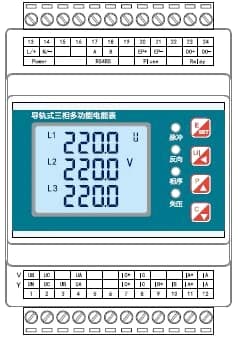
Connect field equipment to your platform.
Explore products
Lighting, cooling and blinds, coordinated from one place.
Explore productsShare equipment, point lists and available interfaces. Review metering, the chiller control circuit and BMS integration separately, subject to protocols and authorization.
The solution organizes operational energy and emissions data. Certification, trading, offsets and whole-life building assessments require the relevant frameworks and specialists.
Confirm against the site baseline and pilot results. Agree on boundaries, weather and load adjustments, comfort targets and anomalous-data rules in advance.

Maintain comfort. Match cooling to demand.
Explore the solution →
Understand where your energy goes.
Explore the solution →
Comfort when occupied. Less waste when empty.
Explore the solution →
Lighting, cooling and blinds, coordinated from one place.
Explore the solution →Plan generation and consumption together.
Explore the solution →